
Although it takes time and effort to create an accurate balance sheet from scratch, it is a vital report you as a business owner should have. Now that the balance sheet is prepared and the beginning balance sheet: definition example elements of a balance sheet and ending cash balances are calculated, the statement of cash flows can be prepared. Unlike the asset and liability sections, the equity section changes depending on the type of entity.
Balance Sheets Examine Risk
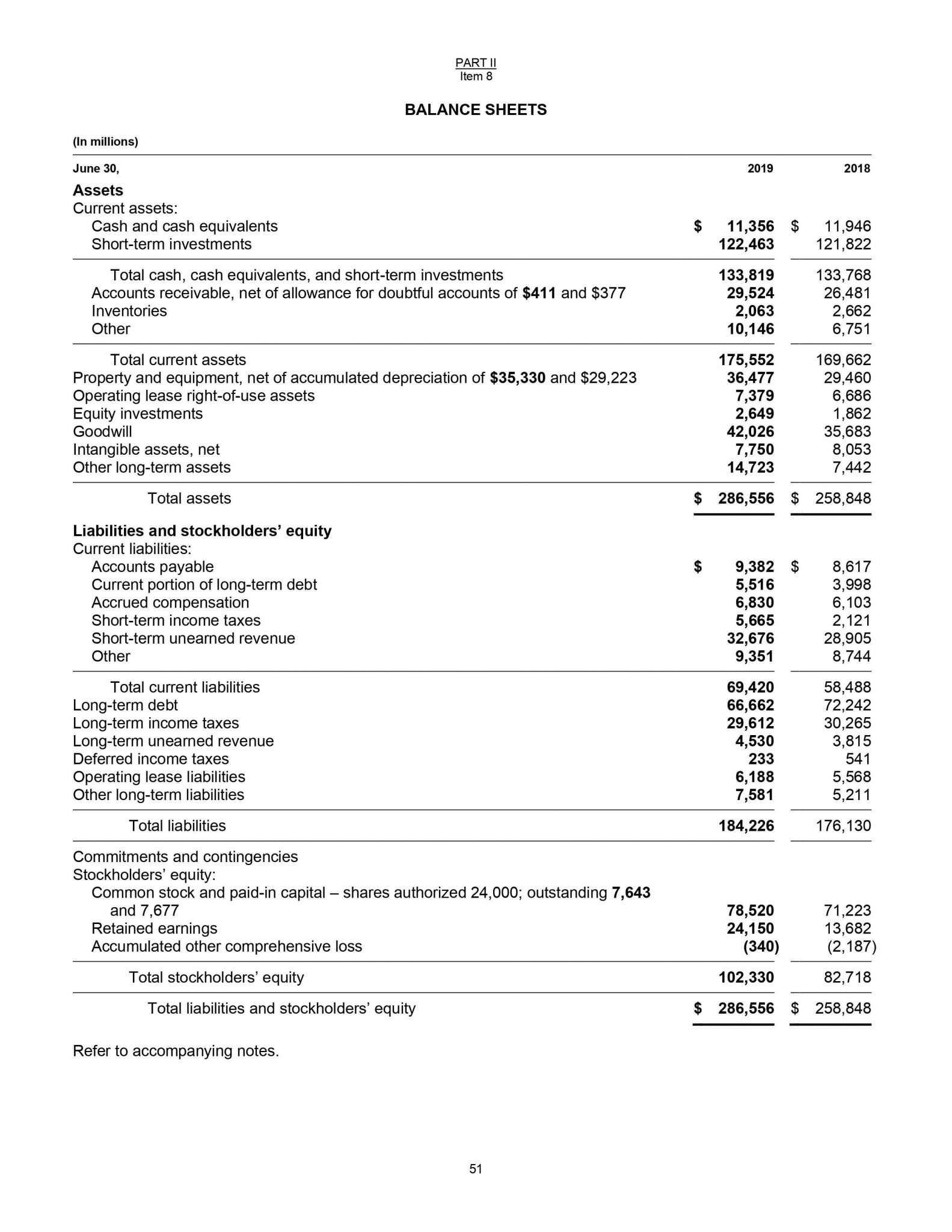
For a balance sheet, using financial ratios (like the debt-to-equity (D/E) ratio) can provide a good sense of the company’s financial condition, along with its operational efficiency. It is important to note that some ratios will need information from more than one financial statement, such as from the balance sheet and the income statement. The balance sheet (also known as the statement of financial position) reports a corporation’s assets, liabilities, and stockholders’ equity as of the final moment of an accounting period.
- These errors and mistakes can be avoided through thorough data verification, cross-checking with other financial documents, and adhering to consistent accounting practices.
- QuickBooks Online users have year-round access to QuickBooks Live Assisted Bookkeepers who can give personalized answers to bookkeeping questions and help manage their finances.
- This is consistent with the balance sheet definition that states the report should record actual events rather than speculative numbers.
- Instead of struggling with Excel, use our free balance sheet template to simplify the process.
How confident are you in your long term financial plan?
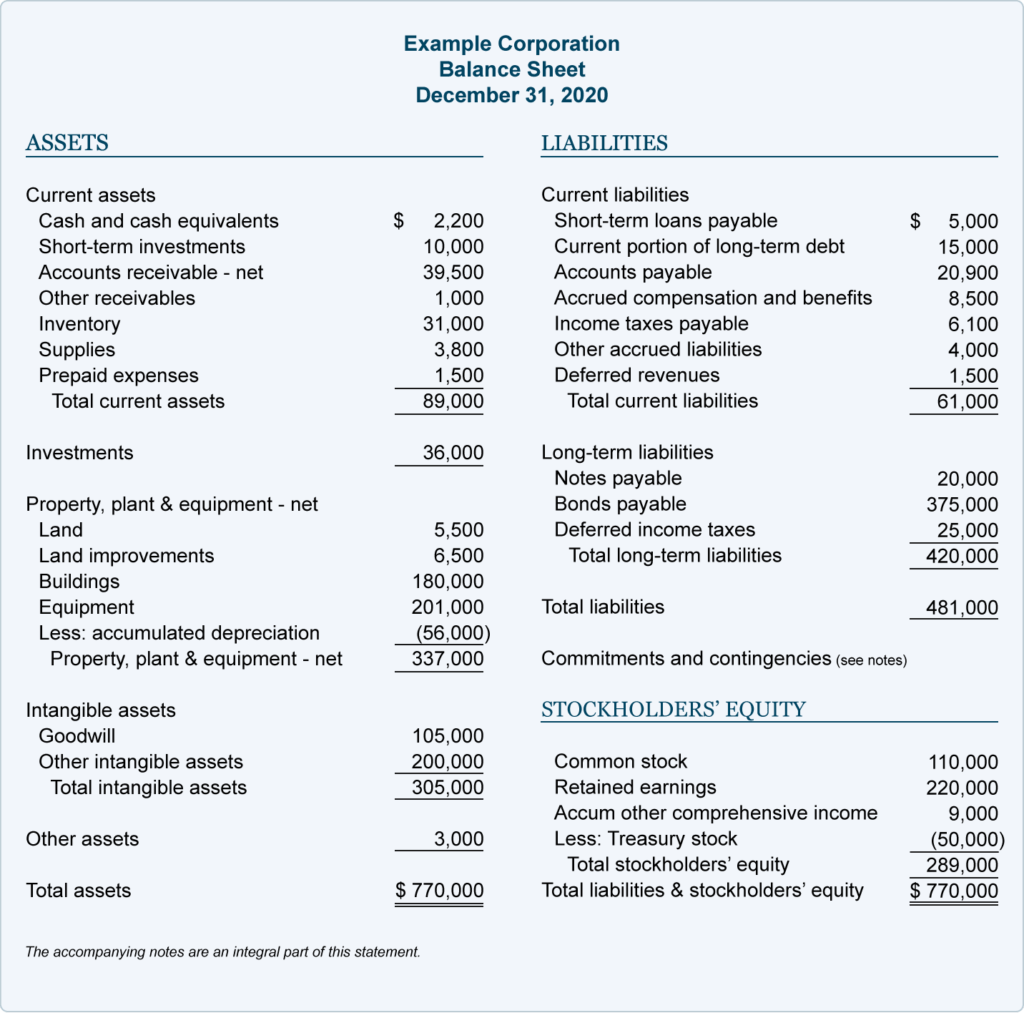
Aligning the preparation and review schedule with these events can ensure that decision-makers have up-to-date financial information. Doing so allows you to see how your financial circumstances have changed and identify areas for opportunity and improvement. Depreciation is calculated and deducted from most of these assets, which represents the economic cost of the asset over its useful life. Companies that report on an annual basis will often use December 31st as their reporting date, though they can choose any date. As you can see, the report format is a little bit easier to read and understand. Plus, this report form fits better on a standard sized piece of paper.
How to Read & Understand a Balance Sheet
Regularly monitoring these changes will help you make informed decisions, identify potential financial risks or opportunities, and ensure the long-term financial health of your business. A balance sheet serves as reference documents for investors and other stakeholders to get an idea of the financial health of an organization. It enables them to compare current assets and liabilities to determine the business’s liquidity, or calculate the rate at which the company generates returns. Comparing two or more balance sheets from different points in time can also show how a business has grown. As described at the start of this article, a balance sheet is prepared to disclose the financial position of the company at a particular point in time. For example, investors and creditors use it to evaluate the capital structure, liquidity, and solvency position of the business.
Where Should We Send Your Answer?
Balance sheets allow the user to get an at-a-glance view of the assets and liabilities of the company. If a company takes out a five-year, $4,000 loan from a bank, its assets (specifically, the cash account) will increase by $4,000. Its liabilities (specifically, the long-term debt account) will also increase by $4,000, balancing the two sides of the equation.
However, this might be normal for certain industries that require substantial capital investment. Besides current and non-current liabilities, there may be other types of liabilities on a balance sheet, depending on the company’s specific financial arrangements or transactions. These may include customer deposits, deferred revenue, and contingent liabilities (potential liabilities arising from uncertain future events). The balance sheet is meant to give you a clear view of what your business owes and owns. The insights you can gain from the balance sheet—along with other financial statements—allow you to make informed financial decisions as your business grows. The term owners’ equity is mostly used in the balance sheet of sole proprietorship and partnership form of business.
Every article is based on rigorous reporting by our team of expert writers and editors with extensive knowledge of financial products. They can also be used by individuals or households to get a high-level view of their current wealth and identify areas for improvement. If the amount is lower than you would like, or even negative, remember that this is just a snapshot of your current status. You now have information that can help you address your financial situation. If you are a shareholder of a company or a potential investor, it is important to understand how the balance sheet is structured, how to read one, and the basics of how to analyze it. Sandra Habiger is a Chartered Professional Accountant with a Bachelor’s Degree in Business Administration from the University of Washington.
When paired with cash flow statements and income statements, balance sheets can help provide a complete picture of your organization’s finances for a specific period. By determining the financial status of your organization, essential partners have an informative blueprint of your company’s potential and profitability. Knowing what goes into preparing these documents can also be insightful.
A balance sheet is a versatile document that offers a snapshot of a company’s or individual’s finances at a given point in time. Businesses can use balance sheets to develop plans for the future and present a picture of their financial health to investors or other outside entities. Financial ratio analysis uses formulas to gain insight into a company and its operations.
It is also helpful to pay attention to the footnotes in the balance sheets to check what accounting systems are being used and to look out for red flags. Some financial ratios need data and information from the balance sheet. Activity ratios mainly focus on current accounts to reveal how well the company manages its operating cycle. Financial strength ratios can provide investors with ideas of how financially stable the company is and whether it finances itself. Line items in this section include common stocks, preferred stocks, share capital, treasury stocks, and retained earnings. For instance, if someone invests $200,000 to help you start a company, you would count that $200,000 in your balance sheet as your cash assets and as part of your share capital.
For example, corporations list the common stock, preferred stock, retained earnings, and treasury stock. Partnerships list the members’ capital and sole proprietorships list the owner’s capital. The left side of the balance sheet is the business itself, including the buildings, inventory for sale, and cash from selling goods.
